Begin with the right idea
A crate is confinement—not a den
Dogs may choose to rest in small, comfortable spaces, but that does not make prolonged confinement natural or necessary. A crate has a door that restricts movement and choice. We should be honest about what it is and thoughtful about why we are using it.
Crates can still have a place in a structured training plan. They may help during early house training, while a newly adopted dog settles in, or when temporary confinement is necessary for travel, veterinary care, dog shows, or sports. In each case, the crate should serve a clear, limited purpose.
A training tool—not a way of life
A crate should never replace exercise, companionship, enrichment, supervision, socialization, or the training a dog needs to live comfortably in the home. The goal is not to create a dog who spends life in a crate. It is to use temporary management while teaching the skills that make the crate less necessary.
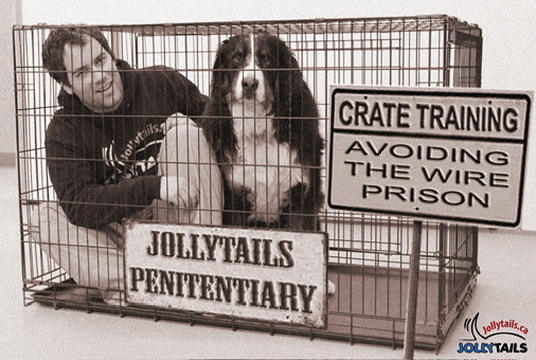
When it can help
Use a crate to support a temporary training plan
House training
A crate can help prevent indoor toileting when you cannot supervise for a short period, but it does not teach the dog where to go. Take your dog outside frequently, reward successful toileting, learn their schedule, and provide enough opportunities to succeed.
Appropriate chewing
A crate can temporarily prevent destructive chewing from becoming a habit, but the real work happens through supervision, careful management, and teaching the dog to enjoy appropriate toys and chews. The eventual goal is safe freedom outside the crate.
Food-stuffed toys, safe chews, and other enrichment can make brief periods of confinement more comfortable. Supervise unfamiliar items first and choose options suited to your dog's individual chewing style.
Management is not training
Closing a crate door may stop a behaviour in that moment, but it does not resolve the reason for it. Use the time created by management to teach the skills your dog needs.
Set up for welfare
Keep confinement brief, social, and physically safe
- Your dog should be able to stand, turn around, stretch, and lie comfortably.
- Place the crate in a comfortable part of family life—not an isolated basement, garage, or distant room. A young puppy's nighttime crate is often best near the family.
- Provide appropriate access to fresh water. Restricting water simply to avoid bathroom trips is not a substitute for a realistic toileting schedule.
- Remove collars, harnesses, bandanas, tags, and other items that could catch on the crate before leaving a dog unattended.
- Teach children that a dog in or near the crate must be left alone. Never allow teasing, reaching into the crate, or trapping the dog inside.
- Plan confinement around your dog's age, physical needs, comfort, and training—not around the maximum time you hope they will tolerate.
Use a larger safe area for longer absences
If you will be away longer than a puppy can comfortably hold their bladder or bowels, use a larger puppy-safe area with water, a bed, enrichment, and a separate toilet zone. A dog should never be forced to soil their sleeping area because the confinement period was unrealistic.
Choice before confinement
Teach comfort gradually
- Begin with an open door. Secure the door open, place food inside, and allow your dog to enter and leave freely. Feed nearby or inside if your dog is comfortable. Never push, drag, or force a dog into the crate.
- Make voluntary entry worthwhile. Toss treats or toys inside, play simple crate games, or offer a valued food toy there. Let your dog come back out. The crate should not become a trap.
- Close the door only briefly. Once your dog is choosing to settle, close the door for a moment while you remain nearby. Open it before worry develops. Build time slowly and only while your dog remains comfortable.
- Practise tiny periods apart. Move around the room, step out of sight for a moment, and return. Later, practise very brief departures from the house. Increase difficulty gradually rather than jumping to a full absence.
If your dog becomes worried, tries to escape, or stops engaging with food, make the next attempt easier. Do not leave a frightened dog to “cry it out.” Progress is measured by comfort—not by how long the door stays closed.
Know the limits
A crate is not treatment for separation problems
Excessive confinement can contribute to frustration and distress. Continuous barking, heavy drooling, frantic escape attempts, refusal of food, damaged teeth or nails, or self-injury are not signs that a dog simply needs more time to accept the crate.
Distress changes the plan
A crate may intensify separation-related distress and may not belong in that dog's treatment plan. Use a safer alternative arrangement and consult a qualified behaviour professional. A veterinarian should also be involved when severe distress or self-injury is suspected. Video from a safely positioned camera can help show what happens after you leave.
Crating should not be used to avoid addressing untreated behaviour, unmet exercise needs, lack of enrichment, or difficulty being alone. Those concerns need an appropriate training, management, and welfare plan of their own.
The escape plan
Train toward life outside the crate
As house-training and chewing habits improve, begin reducing crate use. Start with one dog-proofed room containing water, a comfortable bed, and safe enrichment. Try a very short period, then gradually increase the time only when your dog remains comfortable and there is no house soiling or destructive chewing.
Over time, expand access to more of the home or leave the crate door open. Move at the individual dog's pace and continue meeting their needs for exercise, companionship, play, rest, and mental stimulation.
The measure of success is greater freedom
A well-used crate supports training for a period of time. If it is preventing a dog from participating in everyday life instead of helping them learn how to handle it, the crate is being overused.